Decoding Ferrari's Project 678: The 'Revolutionary' 2026 F1 Power Unit
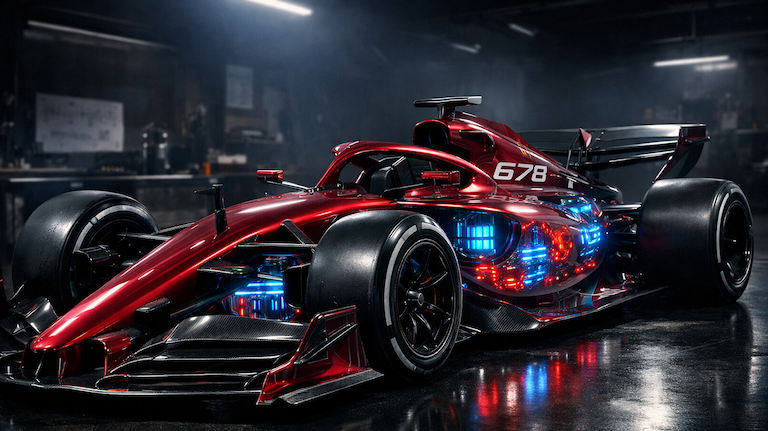
Ferrari's Project 678 represents the Scuderia's comprehensive initiative to develop their new 2026 Formula 1 power unit, marking a bold engineering step aligned with the sport's stringent new engine regulations. The 2026 regulatory framework, set by the FIA, introduces significant changes centered on sustainability, efficiency, and technological innovation. This includes limitations on fuel flow, energy recovery systems, and stringent packaging constraints intended to reduce environmental impact while maintaining competitive performance. Approval from the FIA technical department is a critical milestone in this context, as it confirms that Ferrari's power unit design complies with these complex regulations while exploiting innovative solutions to deliver a competitive edge [1].
Technical Innovations Behind Project 678
Project 678 has been described by industry observers as 'revolutionary,' reflecting Ferrari's ambitious approach to power unit design for the 2026 season. The new regulations emphasize hybrid technology with a greater focus on electrification and thermal efficiency, prompting teams to rethink combustion engine architecture and energy recovery systems.
Ferrari’s power unit is anticipated to feature a markedly redesigned internal combustion engine (ICE) with improvements in combustion chamber geometry aimed at optimizing fuel burn and reducing thermal losses. This aligns with the 2026 technical regulations which mandate strict controls on fuel flow and composition, leading to a necessity for increased combustion efficiency to sustain power output under reduced fuel allowances [2].
In parallel, the hybrid system architecture is expected to be overhauled significantly. The 2026 rules mandate a larger and more powerful electric motor generator unit-kinetic (MGU-K), alongside the introduction of a new motor generator unit-heat (MGU-H) aimed at recovering more energy from exhaust heat. Ferrari’s adoption of advanced materials and compact packaging techniques likely supports integrating these hybrid components more efficiently, reducing weight and improving thermal management. This results not only in higher power density but also enhances the overall energy recovery and propulsion efficiency [3].
Moreover, Project 678 is reported to incorporate pioneering cooling solutions to manage the increased thermal loads from both the ICE and hybrid units. Innovative coolant pathways, lightweight alloys, and improved heat exchangers are part of the design strategy to maintain optimal operating temperatures, crucial for reliability and performance in race conditions [4].
Regulatory Challenges and FIA Approval Process
The FIA’s 2026 power unit regulations create a tight framework that limits the scope for traditional performance improvements, focusing instead on energy efficiency and sustainability. This includes caps on fuel flow rates, limits on the type and deployment of hybrid systems, and strict component homologation to prevent excessive development costs.
Ferrari’s Project 678 navigated these constraints effectively to achieve FIA approval, a process involving exhaustive evaluation of design compliance, safety standards, and performance parameters. Gaining this approval not only legitimizes Ferrari’s technical approach but also positions the team strategically for early development cycles to refine their power unit ahead of the 2026 season start [5].
This clearance signifies Ferrari’s ability to innovate within the mandated boundaries, leveraging engineering ingenuity and material science to meet the evolving demands of Formula 1 powertrain technology.
Implications for Ferrari and the F1 Field
The advancements embedded in Project 678 are expected to yield substantial gains in both power output and fuel efficiency. Enhanced combustion kinetics combined with expanded hybrid energy recovery contribute to improved lap times and race consistency. Ferrari’s ability to tightly package the power unit components around a lighter, more efficient hybrid system offers aerodynamic advantages by allowing sleeker chassis integration.
Compared to rivals, who are also pioneering their own 2026 power units, Ferrari's early FIA approval gives them a development head start. This could translate into reliability and performance benefits throughout the season, potentially narrowing the gap to or surpassing other leading manufacturers [6]. However, the high complexity and novel technologies introduced carry inherent risks related to system integration, cooling reliability, and durability under race stresses.
Strategically, a successful Project 678 deployment enhances Ferrari’s position as a technology leader and supports their broader push towards sustainability and innovation in motorsport.
Conclusion: Project 678’s Role in Shaping Modern F1 Power Units
Project 678 stands as a landmark in the evolution of Formula 1 power units, reflecting a radical adaptation to the 2026 regulatory paradigm. Ferrari’s approach underscores the increasing importance of hybrid technology, materials innovation, and system integration in future F1 powertrain development. As the sport pushes towards greener, more efficient racing without compromising performance, Project 678 showcases the technical ambition and regulatory acumen required to compete at the highest level. This initiative not only influences Ferrari's competitiveness but also serves as a bellwether for the direction of power unit engineering in the hybrid era of Formula 1.
References
 Oliver Harden