2026 F1 Power Unit: Pushing the Compression Ratio Limit
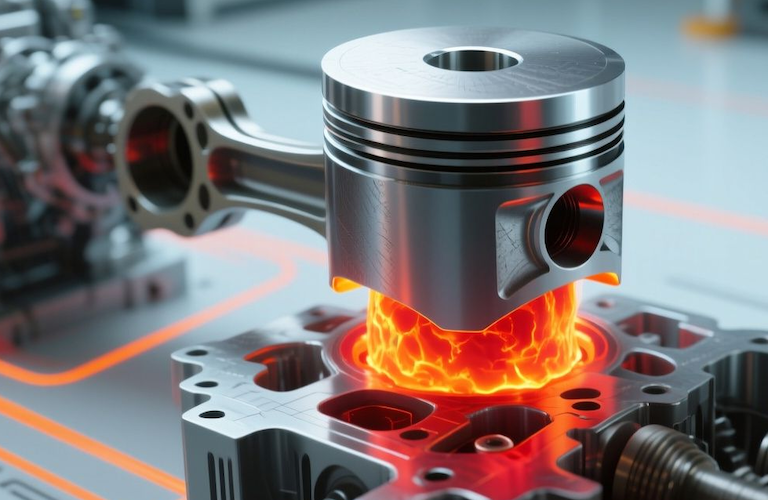
The forthcoming 2026 Formula 1 technical regulations usher in a new era for power unit design, marked by a significant shift in the balance between internal combustion engine (ICE) and electrical power, alongside revised engine specifications. Among the most keenly discussed changes is the reduction in the maximum compression ratio, lowering the limit from 18:1 to 16:1. This seemingly minor adjustment has become a focal point of engineering innovation and regulatory scrutiny, particularly as teams like Red Bull and Mercedes appear to be exploiting its nuances.
The Compression Ratio Conundrum
Compression ratio is a fundamental parameter in internal combustion engine design, directly impacting thermal efficiency and power output. A higher compression ratio generally leads to greater efficiency by extracting more energy from the combustion process. The FIA's decision to reduce this limit for 2026 was intended to make engine development more accessible for new manufacturers, presenting a less aggressive technical hurdle. However, leading teams are already demonstrating that innovation thrives even within tighter constraints.
Recent reports indicate that Red Bull Powertrains and Mercedes High Performance Powertrains have developed solutions that allow their 2026 power units to operate at an effectively higher compression ratio during race conditions, despite adhering to the 16:1 static measurement taken at ambient temperatures [1]. This approach leverages the complex interplay of materials science, thermal dynamics, and precision engineering, raising questions among rival manufacturers regarding the spirit of the regulations.
Exploiting Thermal Expansion for Performance
The suspected mechanism behind this advantageous operation lies in the innovative use of thermal expansion. Engine components are subject to significant temperature fluctuations, expanding and contracting with changes in heat. Engineers may be designing pistons, connecting rods, or cylinder heads with specific materials and geometries that exhibit predictable thermal expansion characteristics. The theory posits that these components are engineered to expand precisely during engine operation, subtly reducing the combustion chamber volume at Top Dead Centre (TDC) when the engine is hot, thereby increasing the effective compression ratio beyond the static cold measurement [1].
This dynamic alteration of the compression ratio during operation could yield a notable performance benefit, estimated to be around 10kW – a gain that translates to a significant 0.3-0.4 seconds per lap [1]. In the hyper-competitive world of F1, such a performance advantage is substantial and could be a decisive factor in championship campaigns.
Regulatory Interpretation and the Pursuit of the Limit
Red Bull Powertrains' technical director, Ben Hodgkinson, confirmed that their design pushes the compression ratio to the "very limit" of the regulations, asserting its legality [1]. This stance highlights a common theme in F1 engineering: interpreting the rules to their absolute maximum. Hodgkinson suggested that the 16:1 limit is technically conservative, arguing that modern combustion technology could safely and efficiently handle higher ratios, such as 18:1, which was the previous generation's limit [1]. The pursuit of every "tenth of a ratio" demonstrates the relentless drive for efficiency and performance gains, even in ostensibly restricted areas.
Ferrari, Audi, and Honda have reportedly sought clarification from the FIA regarding these developments [1]. This collective inquiry underscores the perceived competitive disadvantage and the need for clear regulatory boundaries. While a meeting between the FIA and power unit manufacturers is scheduled, immediate changes to measurement procedures or regulations are not anticipated [1]. This suggests that any advantage gained by Red Bull and Mercedes could persist for a substantial part of the 2026 season, potentially influencing the early narrative of the new regulatory era.
Broader Implications for 2026 Power Unit Development
This situation exemplifies the continuous cat-and-mouse game between engineers and regulators in F1. The 2026 power unit regulations are designed to be more sustainable and attractive to new entrants by simplifying certain aspects, yet they inadvertently open new avenues for highly sophisticated engineering exploitation. The compression ratio saga serves as a compelling case study, showcasing how even seemingly straightforward technical limits can be interpreted and optimized in unexpected ways through advanced material science and thermal management strategies.
As the 2026 season approaches, the industry will keenly observe how the FIA addresses these interpretations and whether new directives or stricter measurement protocols will be introduced to standardize how compression ratios are assessed under operational conditions. This episode demonstrates that even with a reduction in physical limits, the ingenuity of F1 engineers will always strive to find the performance edge.
[1] https://www.the-race.com/formula-1/red-bulls-2026-f1-power-unit-on-very-limit-of-the-rules/